If you’ve started looking into adoption, you’ve probably heard the phrase “home study” and felt your stomach drop a little. Most people picture a stranger with a clipboard opening cupboards and deciding whether you’re good enough to raise a child.
That’s not what it is. The adoption home study is closer to a long, thorough conversation with someone whose job is to help you get approved, not to catch you out. Social workers who do this work are not looking for a perfect house or a perfect couple. They’re building a picture of who you are so they can write an honest recommendation.
Here’s what the home study process actually involves, what the requirements are, and how to prepare without losing sleep over it.
What Is a Home Study in Adoption?
A home study is a written assessment of you, your household, and your readiness to adopt a child, completed by a licensed social worker. Every adoption in the United States requires one, whether you’re adopting a newborn domestically, adopting internationally, or adopting from foster care.
The finished document covers your background, your health, your finances, your relationships, your parenting philosophy, and your home environment. It’s used two ways: the court needs it to finalize an adoption, and expectant mothers considering placing a child with you may see a summary of it when they’re choosing a family.
That second use is the one people forget. The home study isn’t only bureaucracy. It’s part of how a birth mother knows the family she’s choosing has been genuinely vetted by someone.
The Home Study Process, Step by Step
The specifics vary by state and by agency, but nearly every adoption home study follows the same sequence.
Application and orientation. You apply through your agency and typically attend an orientation or training session covering adoption basics, attachment, and what to expect.
Paperwork. This is the longest part, and it’s mostly on you. More on the checklist below.
Background checks. Criminal background checks and child abuse registry clearances for every adult in the household, usually at both state and federal level. Fingerprinting is standard.
Interviews. Several, typically. Each adult is interviewed individually and as a couple if you’re adopting together. Older children in the home are usually interviewed too, briefly and gently.
The home visit. At least one, sometimes more.
The written report. Your social worker compiles everything into the home study document and makes a recommendation.
Most home studies take somewhere between two and six months from application to approved report. We’d rather be honest than optimistic here: the single biggest cause of delay is waiting on paperwork, and that part is largely within your control. Our adoption process guide shows where the home study sits in the wider timeline.
The Adoption Home Study Checklist
Gathering documents early is the difference between a two-month home study and a six-month one. Expect to provide most of the following:
- Birth certificates and marriage certificate, plus divorce decrees if applicable
- Driver’s licenses or photo identification for each adult
- Financial documents: recent tax returns, pay stubs, a summary of assets and debts
- Proof of health and life insurance
- A physician’s statement for each adult, usually after a basic physical
- Employment verification letters
- Three to five personal references, at least some unrelated to you
- Pet vaccination records, if you have animals
- Fire and safety inspection paperwork, in some states
- An autobiographical statement
That last item is the one that makes people freeze. The autobiographical statement is a written account of your own life: how you were raised, how you were disciplined as a child, your education, your relationships, why you want to adopt, and how you plan to parent. It feels enormously personal because it is. Write it honestly rather than impressively. Social workers read hundreds of these and are far more reassured by self-awareness than by a flawless story.
The Home Visit: What a Social Worker Is Actually Looking For
The home visit is the part everyone dreads, and it’s usually the part people describe afterward as anticlimactic.
Your social worker is checking that the home is safe and that there’s a reasonable space for a child. They will look at where the child would sleep. They’ll check for working smoke detectors, secured medications and cleaning products, safe firearm storage if you own firearms, and fencing around a pool if you have one. If you have pets, they’ll want to see that they’re well cared for and unlikely to be a hazard.
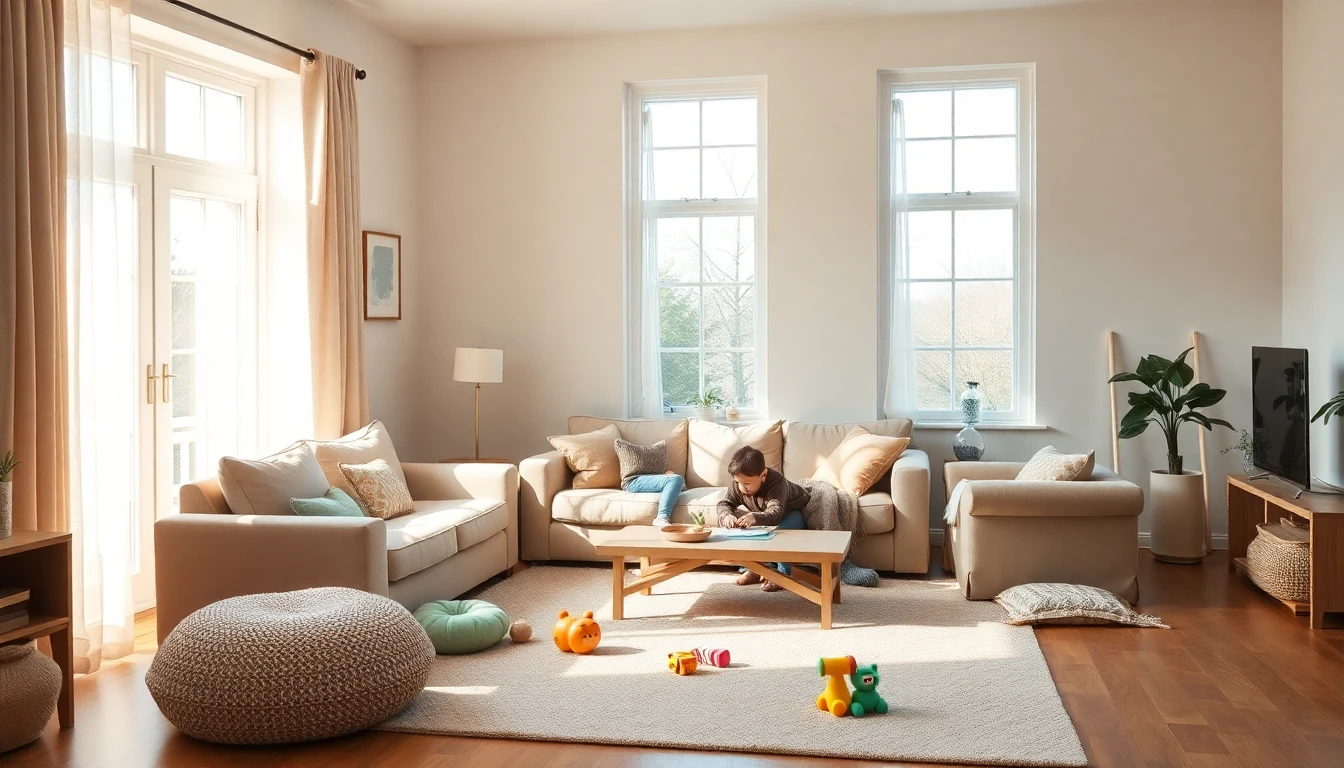
What they are not doing is grading your décor, your square footage, or your housekeeping. Homes that are lived-in pass constantly. You do not need a nursery ready, a big house, or a yard.
Most of the visit is conversation, not inspection. Expect to talk about your childhood, your marriage or your support system if you’re single, how you handle conflict, how you’d discipline a child, what your support network looks like, and how you feel about openness with a birth family. Answer honestly, including about the hard parts. A couple who says “we disagree sometimes and here’s how we work through it” reads as far healthier than a couple who claims they never argue.
Home Inspection: Preparing Your Home Without Renovating It

A short, practical list is genuinely all this requires:
Install and test smoke and carbon monoxide detectors. Put a fire extinguisher in the kitchen. Lock up medications, cleaning chemicals, and alcohol. Store firearms locked and separate from ammunition. Cover outlets and secure heavy furniture if you’re adopting a young child. Make sure there’s a clear plan for where the child will sleep. Have a written emergency plan and know where your exits are.
That’s the substance of it. If you find yourself repainting rooms, you’ve drifted into anxiety rather than preparation.
Home Study Requirements: What Might Come Up as a Concern
People assume disqualification is common. It isn’t, and most of the things families worry about are not disqualifying at all.
Renting rather than owning is fine. Being single is fine. Modest income is fine as long as you’re stable and your budget works. Having a chronic health condition is usually fine with a supportive physician’s statement. Having been through infertility, therapy, or a divorce is fine, and being able to talk about it thoughtfully often strengthens your file.
What does need addressing honestly: certain criminal convictions, particularly anything involving violence or children, which can be an absolute bar depending on your state. Unmanaged substance use. Financial instability serious enough that a child’s basic needs would be at risk. A history that you conceal and the background check surfaces anyway.
The last one matters most. Disclose things upfront. Social workers are far more concerned by discovering something you hid than by the thing itself.
Family Members and Others in the Household
A home study assesses the household, not only the applicants, and that catches people out.
Every adult living in the home is part of the adoption home study. That means background checks and clearances for a parent who lives with you, an adult sibling, or a roommate, and usually an interview as well. If family members are in and out of the house frequently without living there, mention it rather than leaving your social worker to discover it later.
Children already in the home are interviewed too. Social workers keep this gentle and age-appropriate, usually asking how the child feels about a new sibling and what family life is like. Prepare them honestly but don’t script them; a rehearsed child is more concerning than a candid one.
If you have older biological or previously adopted children, expect questions about how they’ve adjusted and how you’d manage attention between them and a new arrival. If you’ve adopted from foster care before, or fostered, that history is relevant and generally counts in your favour.
The Home Study Report and What It Says
The home study report is the document your social worker writes at the end. It’s typically ten to thirty pages and pulls together everything: your background, health, finances, references, the home inspection, and the interviews, closing with a recommendation and the age range and number of children you’re approved for.
You’re usually able to read it, and you should. Errors happen, and it’s far easier to correct a date or a detail before the report goes to a court or is shared with expectant mothers than afterward.
The tone often surprises families. It reads as a portrait rather than a verdict, and many people say seeing themselves described by someone else was the first moment adoption felt real.
Home Study Requirements Vary by State
Home study requirements are set at the state level, so the details differ: training hours, inspection rules, how often the study must be updated, and who is licensed to perform one. If you’re adopting across state lines, both states are involved, and the Interstate Compact on the Placement of Children governs the process.
We’re rooted in Idaho and work across multiple states, so we can tell you specifically what applies where you are rather than giving you a national average. Our guide to adoption laws in Idaho covers our home state in detail. This article is general information rather than legal advice, and your agency or attorney should confirm the requirements that apply to you.
Home studies also expire, typically after one to two years, and need updating if your circumstances change: a move, a marriage, a new baby, a job change.
The Home Study Report and What Comes After Approval
Once your home study is approved, you’re eligible to be presented to expectant mothers considering adoption. This is where your family profile comes in, and it’s a different exercise from the home study entirely. The home study proves you’re safe. The profile shows who you are. We wrote about that in creating an adoptive family profile that connects.
We won’t predict how long the wait after approval will be. It depends on how open you are on the situations you’d consider, and anyone who gives you a confident number is guessing. What we can say is that families who are honest and specific about themselves tend to connect with the right expectant mother rather than the fastest one. Our transparent breakdown of adoption costs covers the financial side with the same honesty, and how to adopt a newborn baby is the fuller guide.
One Thing Worth Remembering
Somewhere on the other side of this process is a woman who is going to look at your family and make the most significant decision of her life. The home study exists mostly for her, so that when she chooses, she’s choosing with real information.
That reframe helps most families get through the paperwork. It isn’t a test you might fail. It’s how someone comes to trust you.
Talk to Us Whenever You’re Ready
If you have questions about the home study or you’re just starting to think about adoption, you’re welcome to call before you’ve decided anything.
Call us at 800-778-8616. You don’t have to decide anything. Just talk. We’ll walk you through what the process looks like where you live, honestly, including the parts that are slow. You can also read more about our services or start with our FAQ.