People use adoption and foster care as if they were two doors into the same room. They are not.
They begin differently, they are meant to end differently, and the children in them arrive by completely different routes. If you are pregnant and weighing your options, or you are hoping to build a family, the difference matters enormously.
Here is what separates them, in plain terms.
The Core Difference Between Adoption and Foster Care
Foster care is temporary by design. A child enters foster care when the state removes them from their home, usually because of abuse or neglect. The explicit goal at the start is reunification: getting the child safely back to their parents. Foster parents provide care while that is worked on. The state retains legal custody.
Adoption is permanent by design. Adoption creates a legal parent-child relationship that does not end. In private infant adoption, it begins with a birth mother choosing it voluntarily, not with anyone being removed from anywhere.
That single distinction, chosen versus removed, is the one that explains almost everything else.
What Adoption vs Foster Care Means If You Are Pregnant

If you are pregnant and considering adoption, there is a fear worth addressing directly, because a lot of women carry it quietly: if I place my baby, will they end up in foster care?
No. These are separate systems.
When you make an adoption plan, your baby goes directly from the hospital to the family you chose. There is no state custody, no caseworker assigned to your child, no placement that might change. You select the parents from profiles, you can meet them, and the child goes home with them.
Children in foster care are there because a court removed them from a situation the state judged unsafe. That is not what is happening when a mother plans an adoption for her own child.
A second fear worth naming: choosing adoption is not the same as being found unfit. Nobody assesses you. Nobody takes anything. You are making a decision about your child's life, which is what parents do. Our guide to how adoption has changed covers how far this has moved from the secretive, shame-driven version people still picture.
Foster Care Adoption: How the Process Works
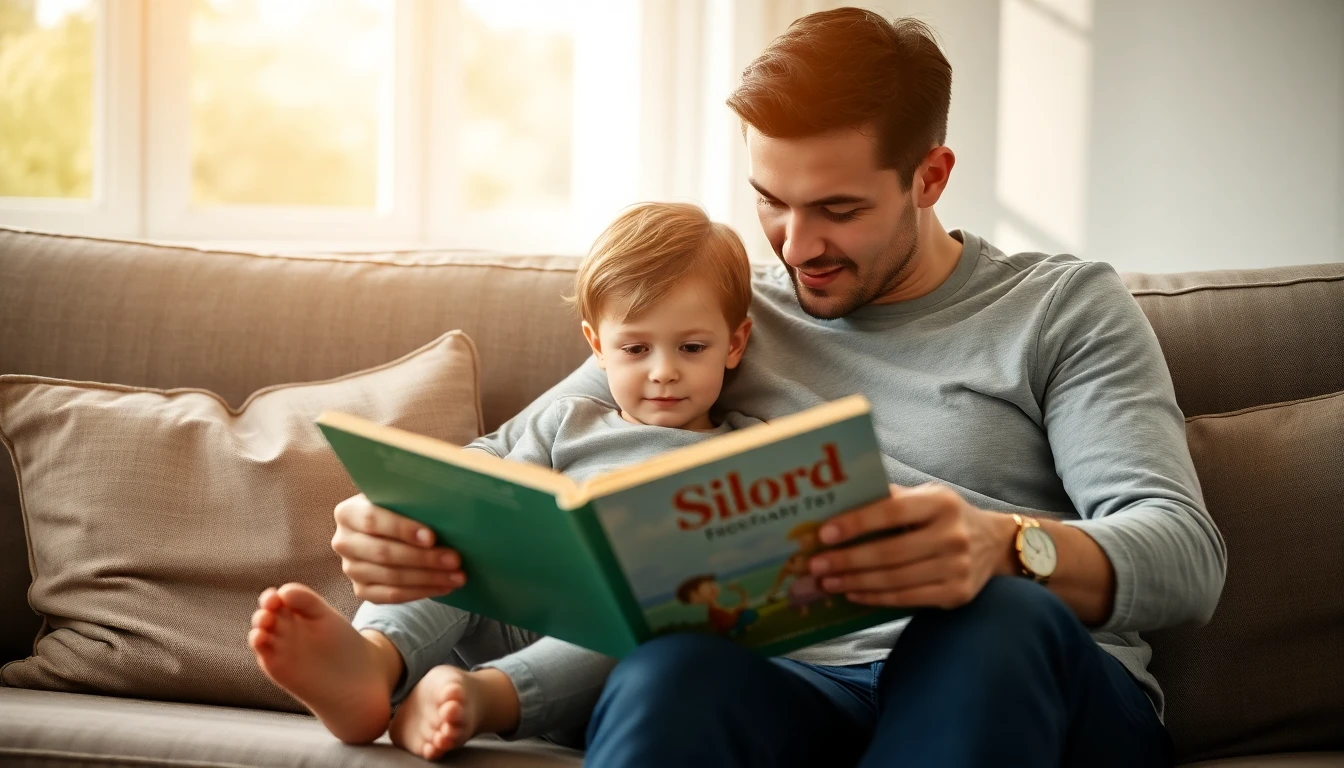
Children in foster care can be adopted, and many are. It happens when reunification has been ruled out and a court terminates parental rights.
The sequence usually runs: a child is removed and placed in foster care; the state works a reunification plan with the birth family; if that fails over time, the court terminates parental rights; the child becomes legally free for adoption; and the family who adopts is often the foster family already caring for them.
A few things that distinguish foster care adoption:
The children are usually older. Infants are a small share of the children waiting. Many are school-age or teenagers, and many are in sibling groups who should stay together.
There is usually a history. Children who have been removed from a home have experienced loss and often trauma. Families need to be prepared for that specifically.
It costs very little. Foster care adoption is generally low or no cost, and adoption assistance or subsidy is often available afterward.
Timelines are uncertain. Reunification is attempted first, so a foster placement may or may not become adoption, and families have to hold that uncertainty.
The state licenses and trains you. You work with a public agency rather than a private one.
If you want to parent a child who needs a family, foster care adoption is one of the most genuinely needed things a person can do. It asks for a different kind of preparation than infant adoption does.
Private Adoption: How That Process Differs
Private infant adoption works almost in reverse.
A birth mother chooses it. She is not required to do anything. She contacts an agency, looks at families, and decides.
She chooses the family. From profiles, often meeting them, sometimes building a relationship before the birth.
The child is usually a newborn. Placement happens from the hospital.
It costs adoptive families significantly more, because it involves agency services, legal work, and support for the birth mother. It is always free for her. Our guide to understanding adoption costs breaks that down honestly.
It is usually open. Most private adoptions today involve ongoing contact: photos, letters, visits. The birth mother decides how much.
Nothing is binding before birth. She can change her mind up until consent is signed and final under her state's law.
Comparing Adoption and Foster Care Side by Side
| Foster care | Private infant adoption | |
|---|---|---|
| How it starts | State removes a child | Birth mother chooses it |
| Initial goal | Reunification with birth family | Permanent placement |
| Legal custody | The state, until termination | Adoptive parents, after finalisation |
| Age of children | Usually older, often sibling groups | Usually newborns |
| Cost to the family | Low or none, subsidy often available | Substantial |
| Cost to the birth mother | Not applicable | None, ever |
| Who chooses the family | The state and the court | The birth mother |
| Typical contact afterward | Varies, sometimes court-ordered | Usually open, agreed between families |
Fostering and Adoption Are Not in Competition: Both Help Children
It is tempting to rank these. People do it constantly, usually to argue that anyone adopting an infant should have fostered instead.
That argument helps nobody. Children in foster care need families, and the shortage of people willing to adopt older children and sibling groups is real and urgent. And a woman making an adoption plan for her newborn needs families ready to receive that child.
Both needs are real. They are not the same need, and the families suited to each are often different people. What matters is that families enter whichever one they enter with clear eyes about what it actually involves.
What Fostering Actually Involves
Fostering is its own commitment, separate from adoption, and it is worth understanding on its own terms rather than only as a route to adoption.
Fostering means caring for a child who is not legally yours. The state holds custody. Foster parents provide the day-to-day home, and the agency and the court make the major decisions. Many people find that balance harder than they expected.
Fostering usually involves contact with the birth family. Supervised visits are common, because reunification is the goal. Foster parents often end up supporting the birth parents as well as the children, which is uncomfortable work and genuinely important.
Fostering is paid, in the sense that a stipend covers the child's costs. It is not income. It exists so that cost is not a barrier to fostering.
Foster parents are licensed and trained. The agencies that license them provide training on trauma, behaviour, and working within the child welfare system, and that training continues.
Fostering can end suddenly. A child may return home or move to a relative with little notice. Foster parents describe this as the hardest part of fostering, and it is also the part that means the system is working.
Fostering sometimes becomes adoption. When reunification fails and parental rights are terminated, the foster family is usually given first opportunity to adopt. Many foster care adoptions happen exactly this way.
People who foster describe it as the most difficult and most worthwhile thing they have done. It is not a slower version of adopting. It is a different job.
Helping Children Through Either Path
Whatever route a child arrives by, some needs are the same and some differ sharply.
Children who come through foster care have experienced removal, and usually loss and disruption before that. They may have moved between several homes. What helps is stability, patience, and adults who understand that behaviour is often communication rather than defiance. Families need support and training, and the agencies involved should provide both.
Children adopted as newborns have not experienced removal, but adoption is still a loss in their story, and they feel it at different ages. What helps is openness: talking about adoption early, never treating it as a secret, and keeping the birth family present in whatever way was agreed.
Both benefit enormously from honesty. Children handle difficult truths far better than they handle discovering that adults were managing the story.
Both benefit from contact with their birth family where it is safe. Research on adoption has moved firmly in this direction over the last few decades, and it is why most private adoption today is open.
Both need their families to accept support rather than treat needing help as failure. Post-placement services exist for this, and our guide to post-adoption counseling covers what is available.
Common Misconceptions About Foster Care and Adoption
A few differences people get wrong often enough to be worth correcting.
"Foster care adoption is free, so it's the easy option." The financial cost is low and the emotional cost is not. Families fostering to adopt hold years of uncertainty.
"You can't adopt a baby from foster care." You sometimes can, but infants are a small share of children waiting, and a newborn placed in foster care usually has reunification attempted first.
"Private adoption means buying a baby." The fees pay for agency services, legal work, and support for the birth mother. Nobody is paid for a child, and in every state paying a birth mother for consent is illegal.
"Birth mothers who choose adoption had their children taken." Nothing is taken. She chooses, she selects the family, and she can change her mind until consent is final.
"Open adoption means co-parenting." It does not. The adoptive parents parent. Openness means the child grows up knowing where they came from.
Questions Worth Asking Before You Choose Either Path
If you are hoping to build a family and you are weighing these:
- Are you prepared for the possibility that a foster placement ends in reunification, which is the system working as intended?
- Can you parent a child who arrives with a history you did not witness?
- Are you able to support openness with a birth family, which most private adoptions now involve?
- What does your timeline actually look like, and how much uncertainty can you hold?
- Have you talked to people who have done each one?
There are no wrong answers. There are answers that fit you and answers that do not, and finding out before rather than after is the entire point of asking.
If You Are the One Who Is Pregnant
None of the comparison above changes the part that matters most to you: this is your decision, and it stays yours.
You can choose to parent. You can choose adoption and select the family yourself. You can look at all three of your options at /choice/ with nobody steering you toward any of them.
If you do choose adoption, you decide who raises your child and how much you stay in their life. Our guide to choosing an adoptive family explains how that works, and the adoption process walks through each step.
And you would not do it alone. Our Birth Mom Mentors are women who have placed a child themselves. Not caseworkers. Women who can tell you honestly what the hospital was like and what the year afterward held.
Talk It Through Whenever You Want
Modern Adoption is based in Idaho and works with women across the Northwest. We are a movement rather than a traditional agency, which mostly means nobody here will treat you like a file.
Call 800-778-8616. You don't have to decide anything. Just talk.